
🏰 History of Ranthambore Fort – A UNESCO Heritage Inside the Tiger Reserve
Ranthambore National Park is globally renowned for its majestic Royal Bengal Tigers, but hidden within its dense forests lies a gem of history – the Ranthambore Fort. Standing tall atop a 700-foot hill, this fort is not just a symbol of Rajput valor but also a UNESCO World Heritage Site, part of the group known as the Hill Forts of Rajasthan.
Ranthambore Fort Rajasthan is a must-visit site for history enthusiasts.
Visiting Ranthambore isn’t complete without exploring this ancient fort, which offers breathtaking views of the jungle, lakes, and wildlife below.
Ranthambore Fort Rajasthan is a treasure trove of historical insights that every traveler should explore.
Visiting Ranthambore Fort Rajasthan is a unique experience that connects history and nature.
Exploring Ranthambore Fort Rajasthan allows you to step back in time.
📜 Origins of Ranthambore Fort
🏰 Ranthambore Fort Rajasthan – A Historical Marvel
The exact origin of Ranthambore Fort is still debated among historians. Most accounts suggest that it was built in the 10th century by the Chauhan rulers, with King Sapaldaksha being one of its earliest patrons. Over time, the fort became a strategic stronghold due to its location between North and Central India.
The stories surrounding Ranthambore Fort Rajasthan are captivating.
Its elevated position and thick stone walls made it nearly impenetrable, earning Ranthambore Fort a reputation as one of the most powerful forts in Rajasthan.
Many visitors are drawn to the rich history of Ranthambore Fort Rajasthan.
The stories and legends surrounding Ranthambore Fort Rajasthan are as rich as its history.
Many historical accounts detail the battles fought at Ranthambore Fort Rajasthan, adding to its legendary status.
⚔️ Battles and Rajput Valor
The fort witnessed numerous battles and invasions. Among its most famous rulers was Raja Hammir Dev Chauhan (1282–1301), the last Chauhan king of Ranthambore. He bravely resisted repeated attacks by Alauddin Khilji, the Sultan of Delhi.
Ranthambore Fort Rajasthan has witnessed numerous tales of valor.
Though Hammir Dev ultimately fell in battle, his legacy is remembered as a symbol of Rajput courage and sacrifice. Stories of his resistance still echo in Rajasthani folklore.
🕌 Temples & Architecture Inside Ranthambore Fort
Apart from its military significance, the fort is also a spiritual site. Within its walls, you’ll find ancient temples dedicated to:
Ancient temples within Ranthambore Fort Rajasthan add to its spiritual significance.
-
Ganesh Temple – one of the most popular pilgrimage spots, visited by thousands every year.
-
Shiva Temple
-
Ramlalaji Temple
-
Jain Temples dedicated to Lord Sumatinath and Lord Sambhavnath.
The architecture is a blend of Rajput and Mughal influences, with massive gateways, domes, and decorative stone carvings. The fort also houses old stepwells, water tanks, and ruined palaces, each whispering tales of its glorious past.
The architecture of Ranthambore Fort Rajasthan showcases unique designs.
🌿 Ranthambore Fort and Wildlife Connection
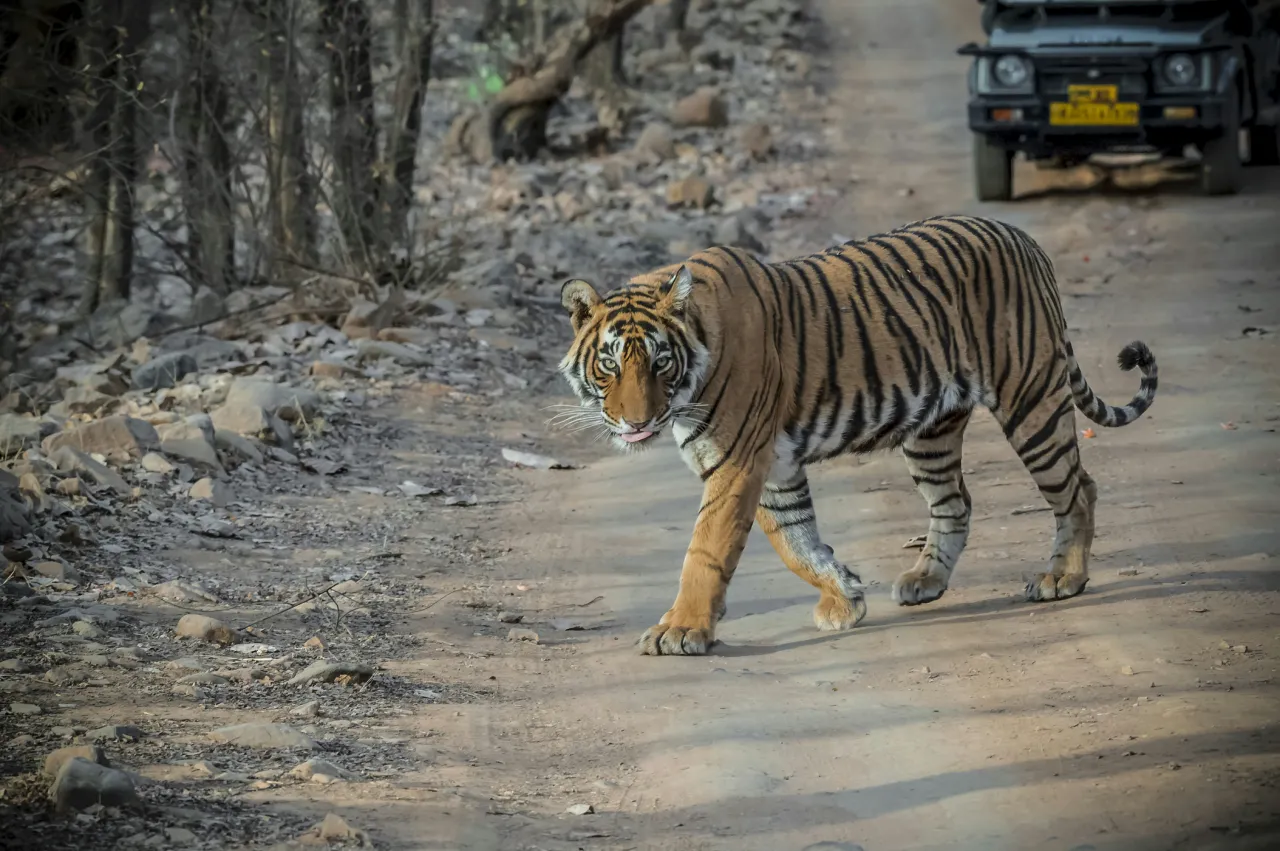
What makes Ranthambore Fort truly unique is its location inside Ranthambore National Park. From the fort’s ramparts, visitors often spot deer, monkeys, leopards, and sometimes even tigers roaming near the lakes below.
The wildlife around Ranthambore Fort Rajasthan enhances its allure.
This rare combination of heritage and wildlife makes Ranthambore a one-of-a-kind destination in India.
🌏 UNESCO Recognition
In 2013, Ranthambore Fort was declared a UNESCO World Heritage Site, as part of the Hill Forts of Rajasthan group, which also includes forts of Chittorgarh, Kumbhalgarh, Jaisalmer, Amber, and Gagron.
Ranthambore Fort Rajasthan’s UNESCO status emphasizes its importance.
This recognition highlights the fort’s architectural brilliance and its significance in India’s history.
🕒 Best Time to Visit Ranthambore Fort
-
The fort is open throughout the year, but the best season to visit is October to June, when the national park is also open for safaris.
Visitors can explore Ranthambore Fort Rajasthan any time of year.
-
Morning hours are ideal for exploring, as the weather is pleasant and you may spot wildlife around the lakes.
📍 How to Reach Ranthambore Fort
The fort is located inside Ranthambore National Park, about 7 km from Sawai Madhopur railway station. Visitors usually combine a wildlife safari with a fort visit.
-
By Train: Sawai Madhopur is the nearest station, well connected to Delhi, Jaipur, and Mumbai.
-
By Road: Regular buses and taxis connect Sawai Madhopur with Jaipur (160 km) and other Rajasthan cities.
-
By Air: Jaipur International Airport is the nearest airport, about 180 km away.
✨ Why You Must Visit Ranthambore Fort
-
Experience 1,000 years of history along with breathtaking jungle views.
Ranthambore Fort Rajasthan offers a glimpse into a rich past.
-
Visit the Ganesh Temple, a spiritual highlight inside the fort.
-
Enjoy a rare mix of heritage and wildlife in one trip.
-
Capture stunning panoramic photography of Ranthambore’s lakes, forests, and ruins.
✅ Conclusion
Ranthambore Fort is not just a historical monument—it’s a living testimony of bravery, architecture, and spirituality. Whether you are a history lover, wildlife enthusiast, or a traveler seeking cultural richness, a visit to Ranthambore Fort will leave you mesmerized.
Don’t miss the opportunity to visit Ranthambore Fort Rajasthan during your travels.
Plan your visit to Ranthambore Fort and experience the perfect blend of history and wildlife. For safari bookings, travel packages, or queries, feel free to Contact Us
👉 Plan your Ranthambore trip with Wild Ranthambore Safari for safaris, fort tours, and complete travel packages.
📞 Call/WhatsApp: +91 8502005354
🌐 Website: www.wildranthamboresafari.com
📸 Instagram: @ranthambore_safari_booking