Riddhi’s New Cubs Spark Excitement in Ranthambore: A New Chapter in a Legendary Tiger Bloodline
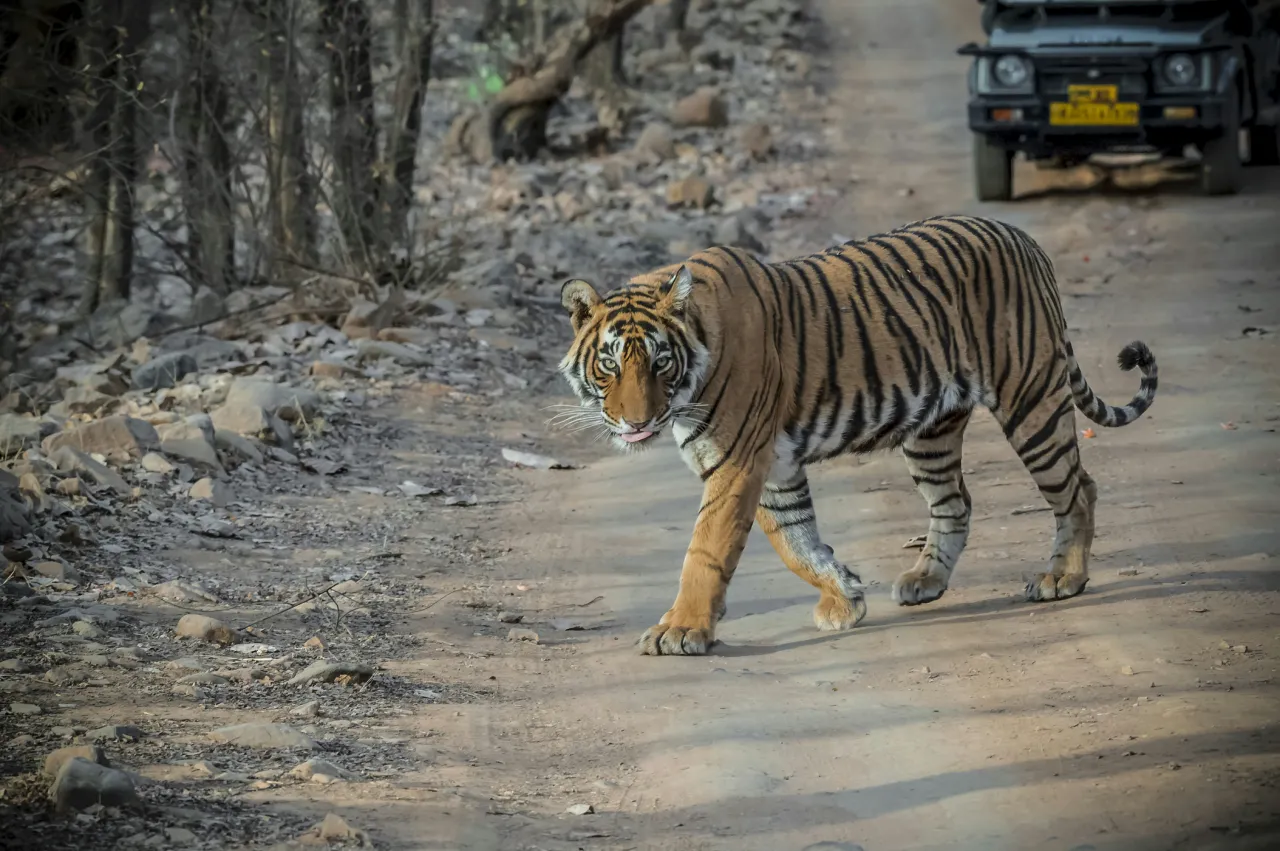
The forests of Ranthambore have once again delivered a moment that has thrilled wildlife enthusiasts across India. One of the reserve’s most famous tigresses, Riddhi (RBT-124), has been spotted with her newest cubs, bringing fresh hope for the future of tiger conservation in Rajasthan.
The sighting, made during a safari in the Nal Ghati region of Zone 2, has generated excitement among tourists, photographers, naturalists, and forest officials alike. More importantly, it marks another significant milestone in the remarkable conservation journey of Ranthambore Tiger Reserve.
A Heartwarming Safari Sighting
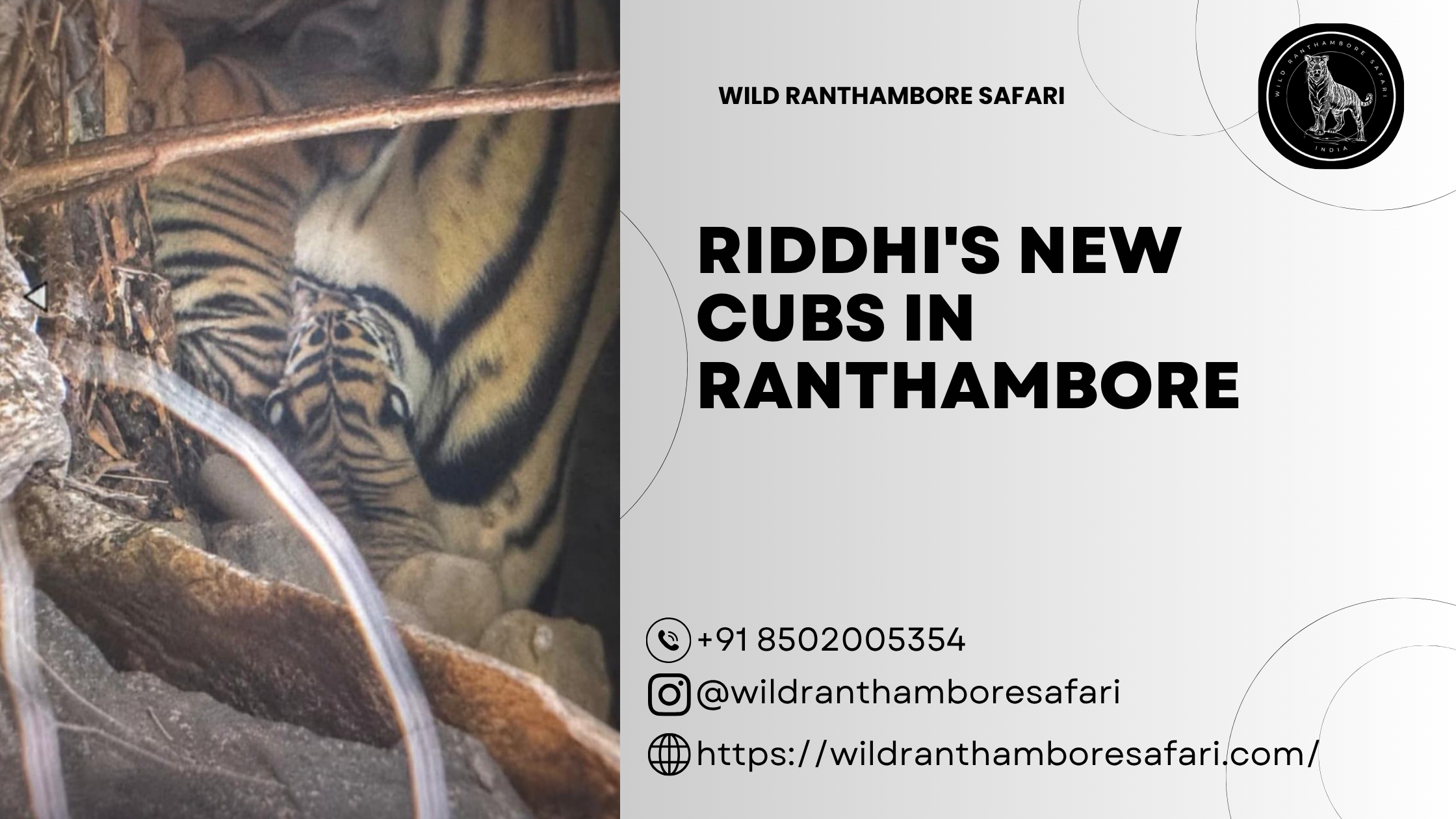
Visitors exploring Ranthambore’s wilderness were treated to a rare and unforgettable encounter when Riddhi appeared with her young cubs. Following reports from safari vehicles, forest officials confirmed the sighting and immediately intensified monitoring efforts around the area.
While authorities have officially verified one cub, several eyewitnesses reported seeing two or even more cubs moving alongside the tigress. As a result, the exact size of the litter is still being assessed.
Early observations suggest that the cubs are approximately two to three months old and appear healthy and active under their mother’s protection.
Ranthambore’s Tiger Numbers Continue to Rise
The arrival of Riddhi’s newest litter has contributed to another conservation achievement for Ranthambore Tiger Reserve.
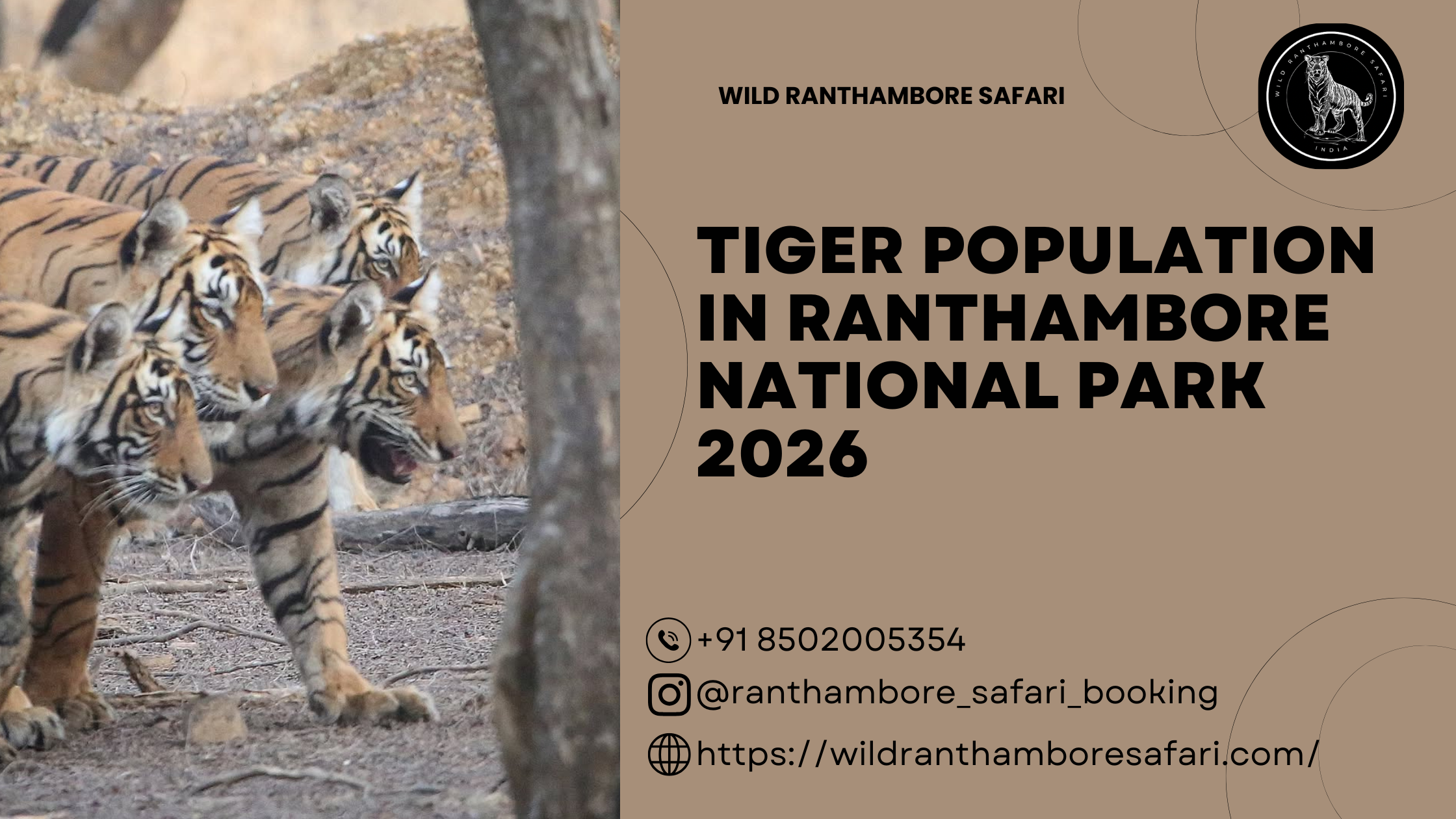
According to the latest population estimates, the reserve is now home to:
- 23 adult tigresses
- 25 adult tigers
- 29 cubs
This brings the total tiger population to an impressive 77 individuals, making Ranthambore one of India’s most successful tiger conservation landscapes.
The growing numbers reflect years of dedicated habitat protection, anti-poaching efforts, scientific monitoring, and community participation.
The Legacy of a Royal Tiger Family
Riddhi is not just any tigress. She belongs to one of the most celebrated tiger lineages in India.
Her ancestry traces back to:
- Machli (T-16), the legendary “Queen of Ranthambore”
- Krishna (T-19), one of Ranthambore’s most successful tigresses
- Arrowhead (T-84), a fan favorite known for her extraordinary hunting abilities
Born in late 2018, Riddhi inherited the strength, intelligence, and survival instincts of her famous ancestors. Today, she is carrying forward a bloodline that has shaped the history of tiger tourism and conservation in Ranthambore.
A Proven Mother in the Wild
The latest cubs represent Riddhi’s third known litter.
Although her first litter was unsuccessful, she later raised three cubs successfully, establishing herself as one of the reserve’s most dependable breeding females.
Wildlife experts consider successful mothers like Riddhi crucial for maintaining healthy tiger populations. Every cub that survives and reaches adulthood strengthens the future of the species.
Queen of the Lake Territory
Over the years, Riddhi has built a strong territory around some of Ranthambore’s most iconic landscapes.
Her domain includes:
- Padam Talab
- Rajbagh Lake
- Malik Talab
- Surrounding forest areas of Zones 3 and 4
These locations provide abundant prey, reliable water sources, and excellent cover for raising young cubs.
As one of the dominant females in the reserve, Riddhi plays a vital role in maintaining the tiger population within this prime habitat.
Why These Cubs Matter
The birth of tiger cubs is always significant, but the importance goes far beyond increasing numbers.
Tigers are apex predators and serve as guardians of the ecosystem. Their presence helps maintain ecological balance by regulating prey populations and supporting forest health.
Each successful litter contributes to:
- Stronger tiger populations
- Improved genetic diversity
- Healthier ecosystems
- Long-term conservation success
The sight of healthy cubs in the wild is one of the clearest signs that conservation efforts are working.
A Bright Future for Ranthambore
According to the National Tiger Conservation Authority (NTCA), India’s tiger conservation efforts have significantly contributed to the recovery of tiger populations across protected reserves. Through initiatives such as habitat protection, anti-poaching measures, scientific monitoring, and community participation, several tiger landscapes have witnessed steady population growth over the years. Ranthambore Tiger Reserve stands as one of the most successful examples of these conservation efforts, providing a secure environment where tigers can breed, establish territories, and raise their cubs. The sighting of Riddhi with her new cubs reflects the positive impact of these long-term conservation strategies and highlights the importance of continued wildlife protection for future generations.
Ranthambore’s success story continues to inspire wildlife conservation across India. From the legendary reign of Machli to the rise of Riddhi and her growing family, the reserve has become a symbol of what dedicated protection and conservation can achieve.
As forest officials continue monitoring the cubs, wildlife lovers around the world will be eagerly waiting for future sightings of the newest members of this extraordinary tiger dynasty.
For now, Riddhi’s latest litter stands as a powerful reminder that the wild heart of Ranthambore is still thriving—and its legendary tiger legacy is far from over.